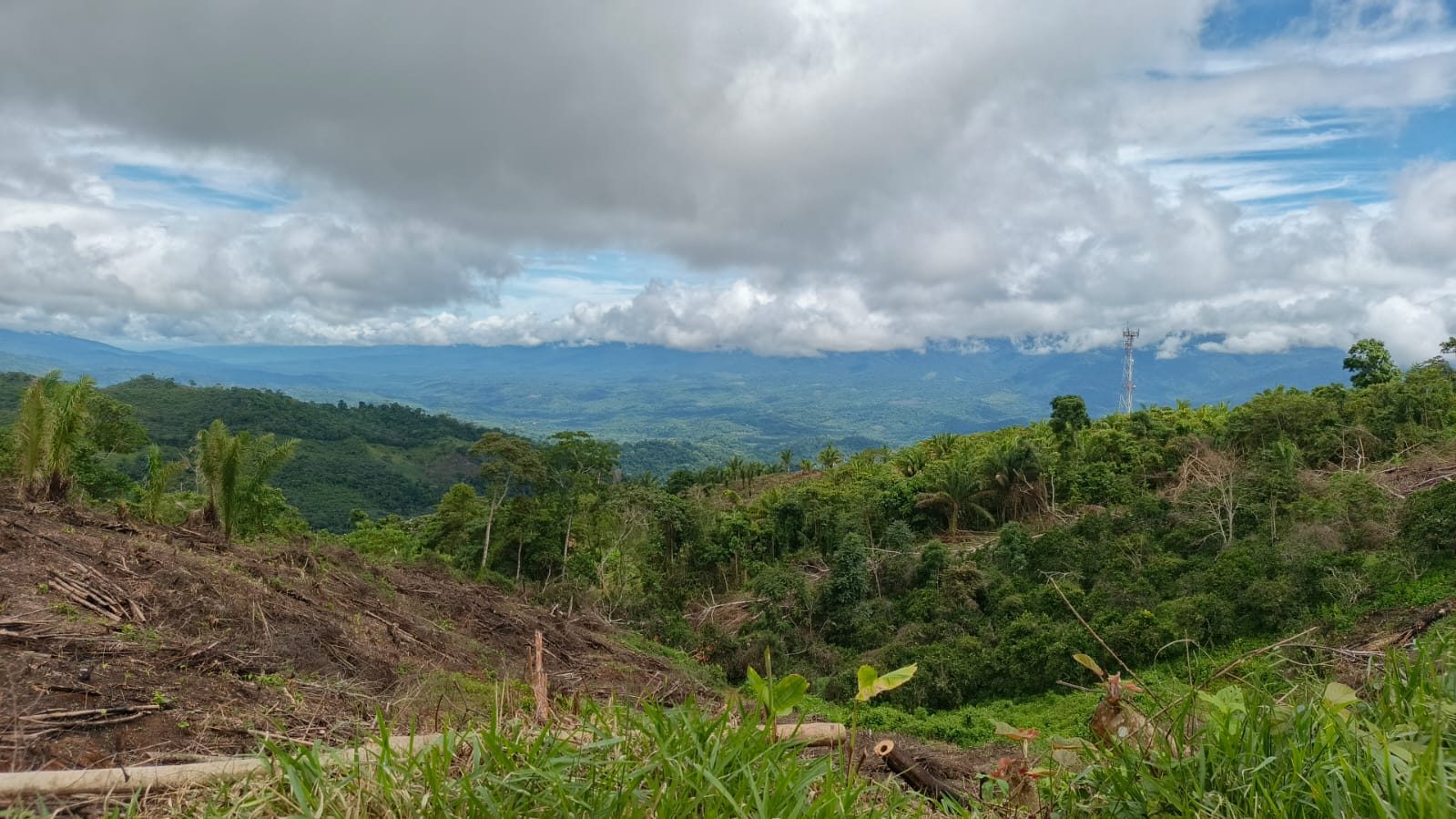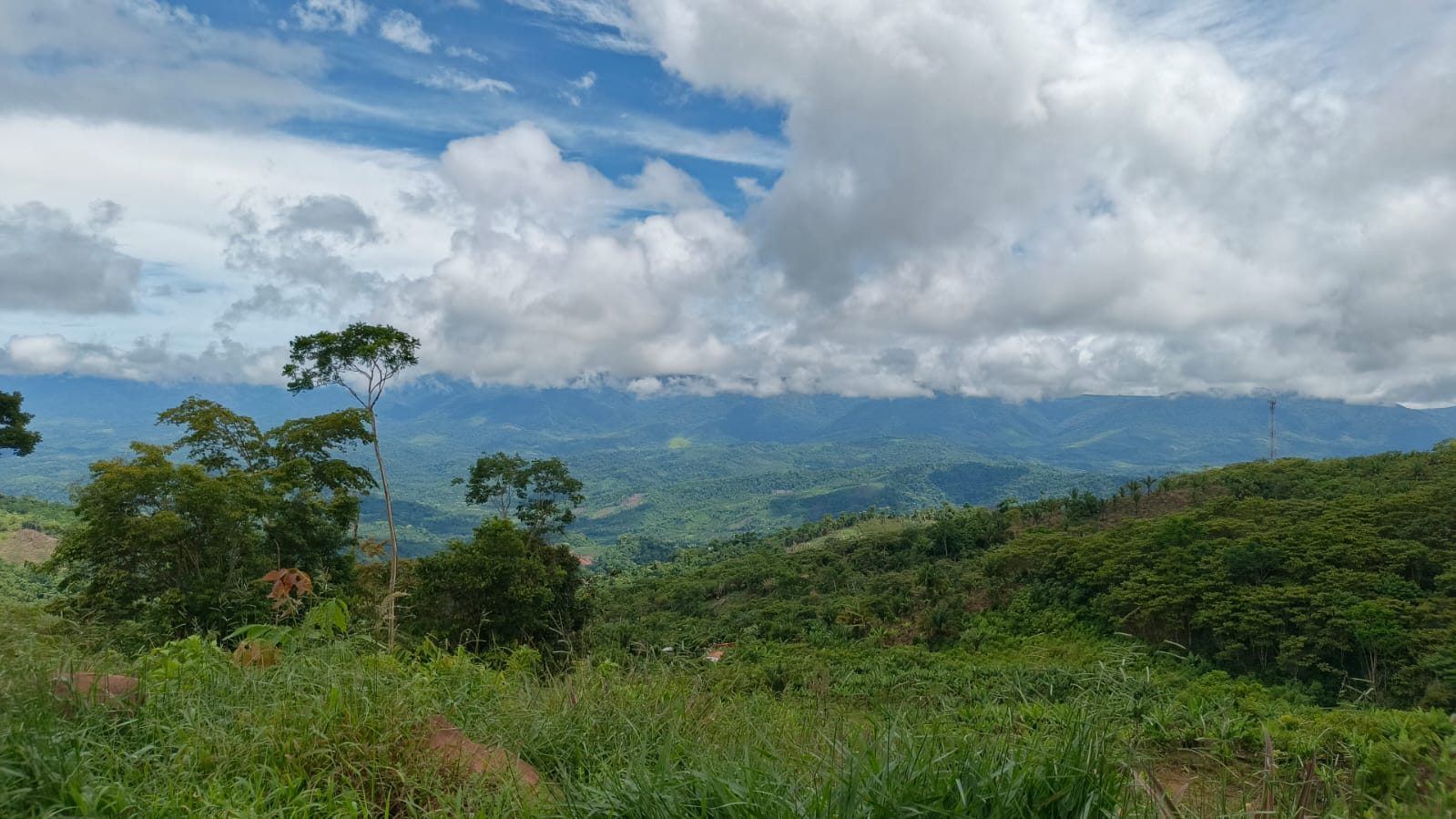
Paisaje de bosque y serranía en el trópico de La Paz

Private non-profit foundation · Department of La Paz, Bolivia

We conserve native life alongside the communities that sustain it.

Living nature, strong communities. We work on biodiversity conservation, sustainable community development, environmental education and applied research in Palos Blancos and Alto Beni, in the Bolivian tropics.

4Institutional programs in conservation and sustainable development
2Initial municipalities: Palos Blancos and Alto Beni
2027Planned start of operations

About us

A foundation born in the territory, not above it.

The Vida Nativa Foundation (FVN) is a private non-profit organisation working in the department of La Paz, Bolivia. It grew out of sustained work with Indigenous and campesino communities of the La Paz tropics, where forest conservation and household economic viability are one and the same problem.

Our approach is technical and long-term: strengthening local capacities, generating information that supports decision-making, and accompanying production systems compatible with standing forest. We do not replace local organisations — we work with them, at their request.

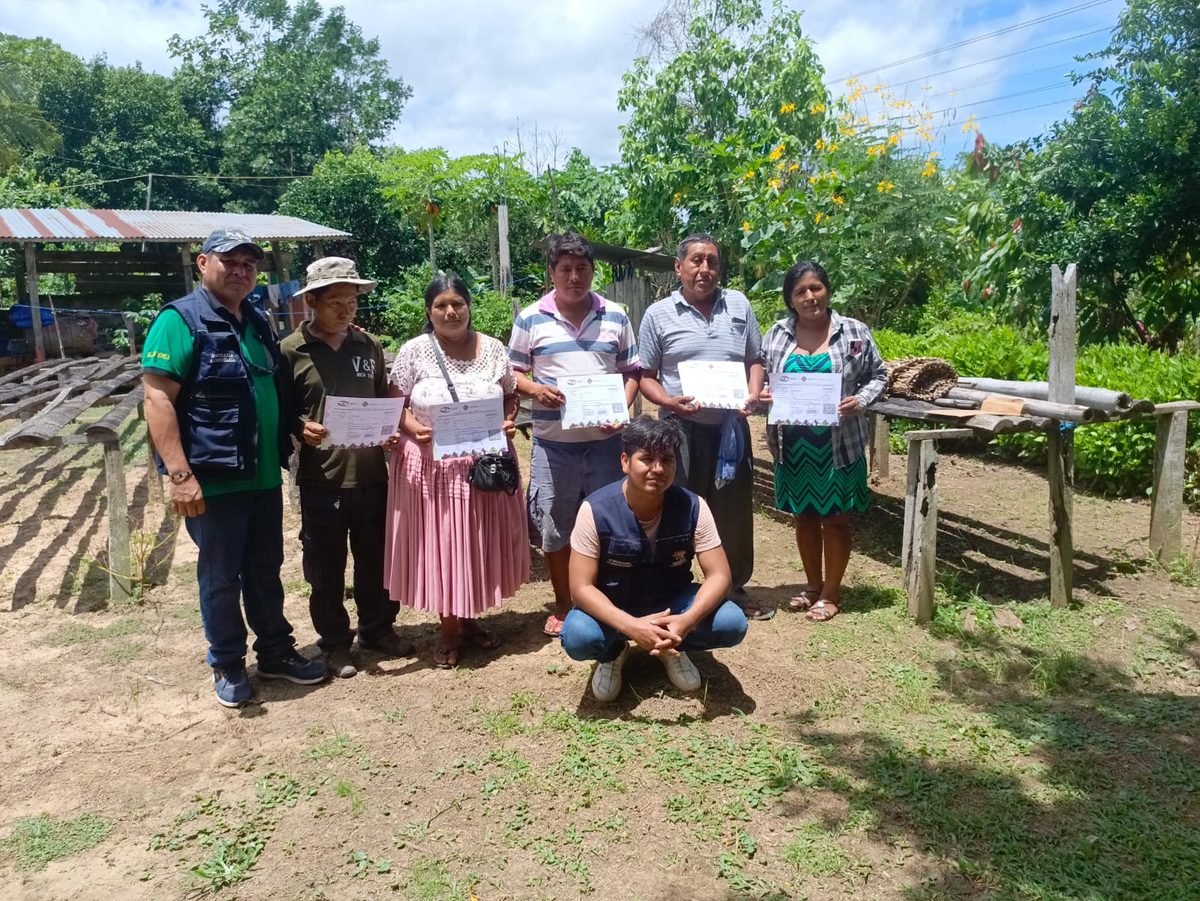
Productores y técnicos en actividad comunitaria

Mission

To contribute to biodiversity conservation and the sustainable development of communities in the department of La Paz, through programs in conservation, sustainable production, environmental education and applied research.

Vision

A La Paz tropics where wildlife, native pollinators and forests are conserved, and the communities that care for them live better because they do.

How we work

Public–private institutional coordination, permanent technical presence in the field, and capacity transfer to local organisations, with accountability reporting for every project.

Programs

Four lines of action

Each program responds to a specific objective of the Foundation’s Statutes and is rolled out progressively over the 2027–2029 period.

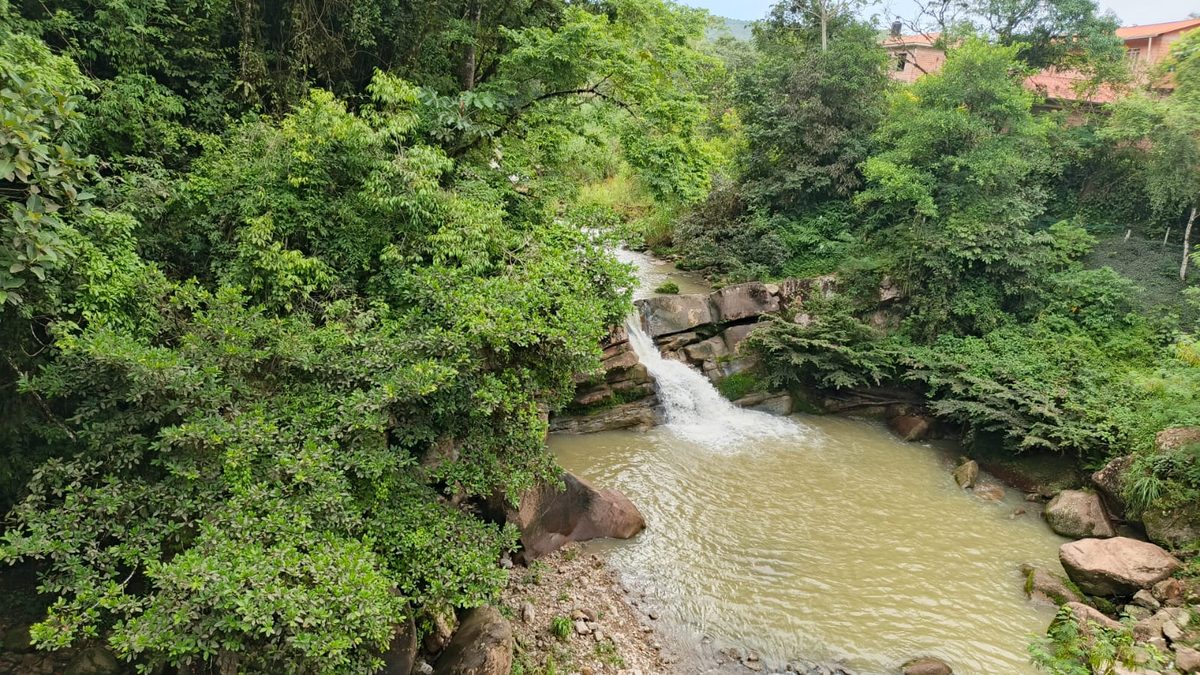
Río y bosque ribereño, hábitat de fauna silvestre

Program 01

Wildlife

Care, temporary custody, rehabilitation and transfer of confiscated or rescued wildlife, in coordination with the competent authority and the municipal government.

  • Wildlife care and transfer centre
  • Intake, handling and release protocols
  • Coordination with national and municipal authorities
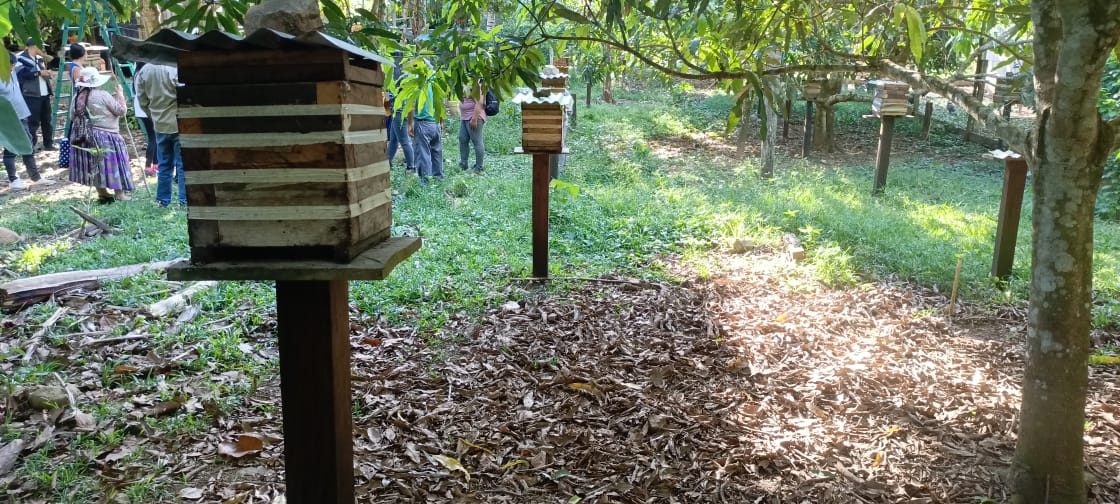
Caja de abejas nativas sin aguijón instalada en campo

Program 02

Native pollinators

Conservation of stingless bees and promotion of meliponiculture as both a conservation practice and a complementary income source for producer families.

  • Technical training for producers
  • Demonstration modules and colony management
  • Recording and research of native species
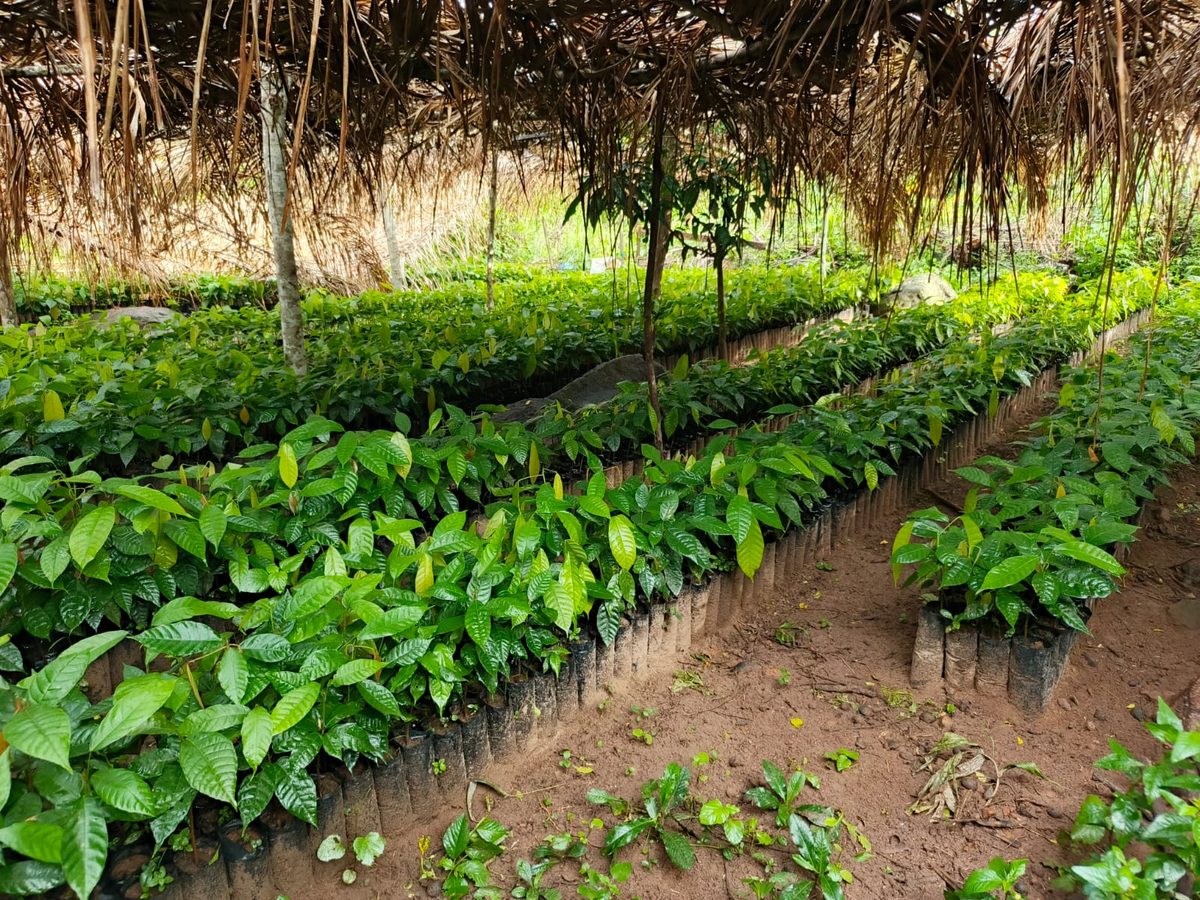
Vivero de plantines bajo malla semisombra

Program 03

Waste and soils

Integrated solid waste management and use of organic waste to produce compost and biofertilisers for community use.

  • Education on waste separation at source
  • Compost and biofertilisers
  • Technical support to municipal governments
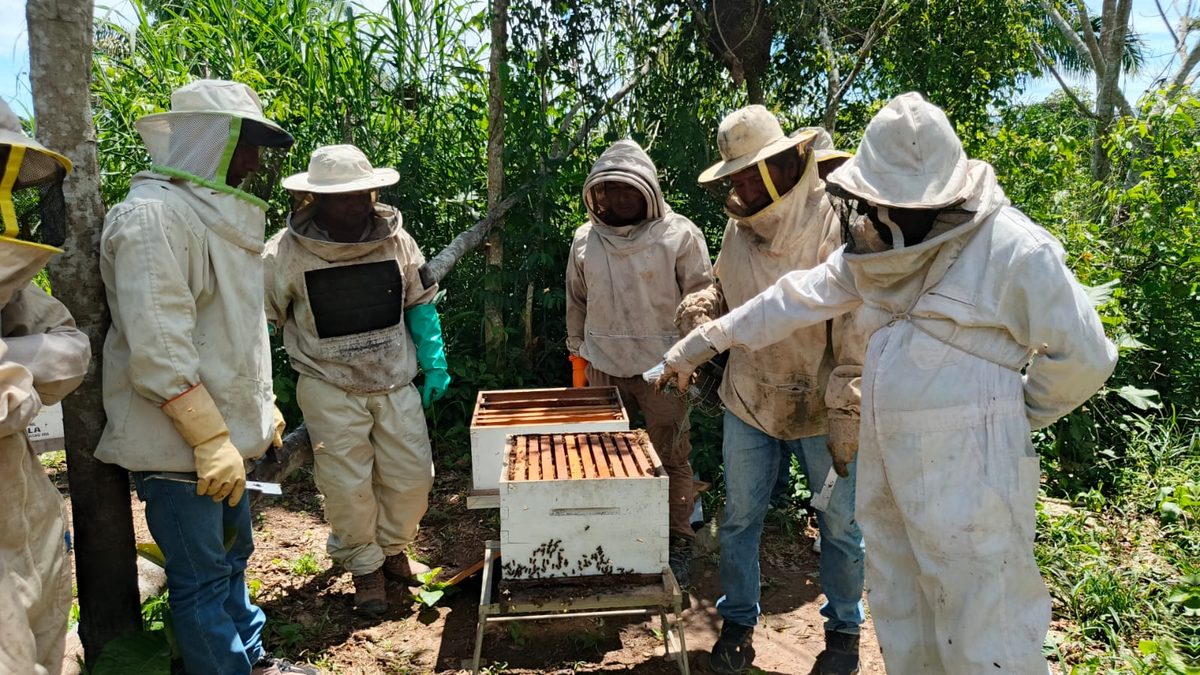
Capacitación práctica en manejo de colmenas

Program 04

Education and research

Environmental education with schools and organisations, and applied research aimed at generating knowledge useful for local decisions and public policy.

  • Workshops and educational materials
  • Baseline studies and monitoring
  • Publications and dissemination of results

Science for conservation

Decisions from data, not assumptions.

Technical information is the scarcest input in territorial management across the Bolivian tropics.

We build biodiversity baselines, characterise production systems and document management practices, so that communities, municipalities and partners decide on verifiable evidence. Results are returned first to the communities that generated them.

Propose a research collaboration
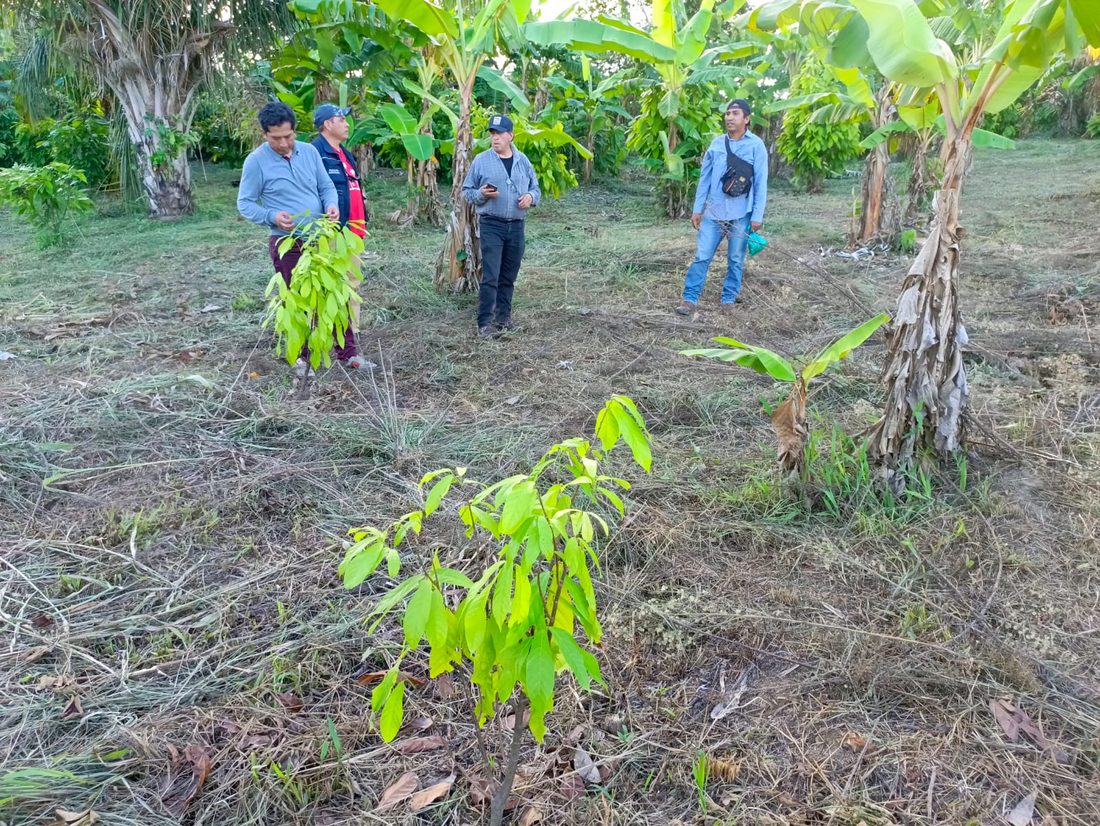
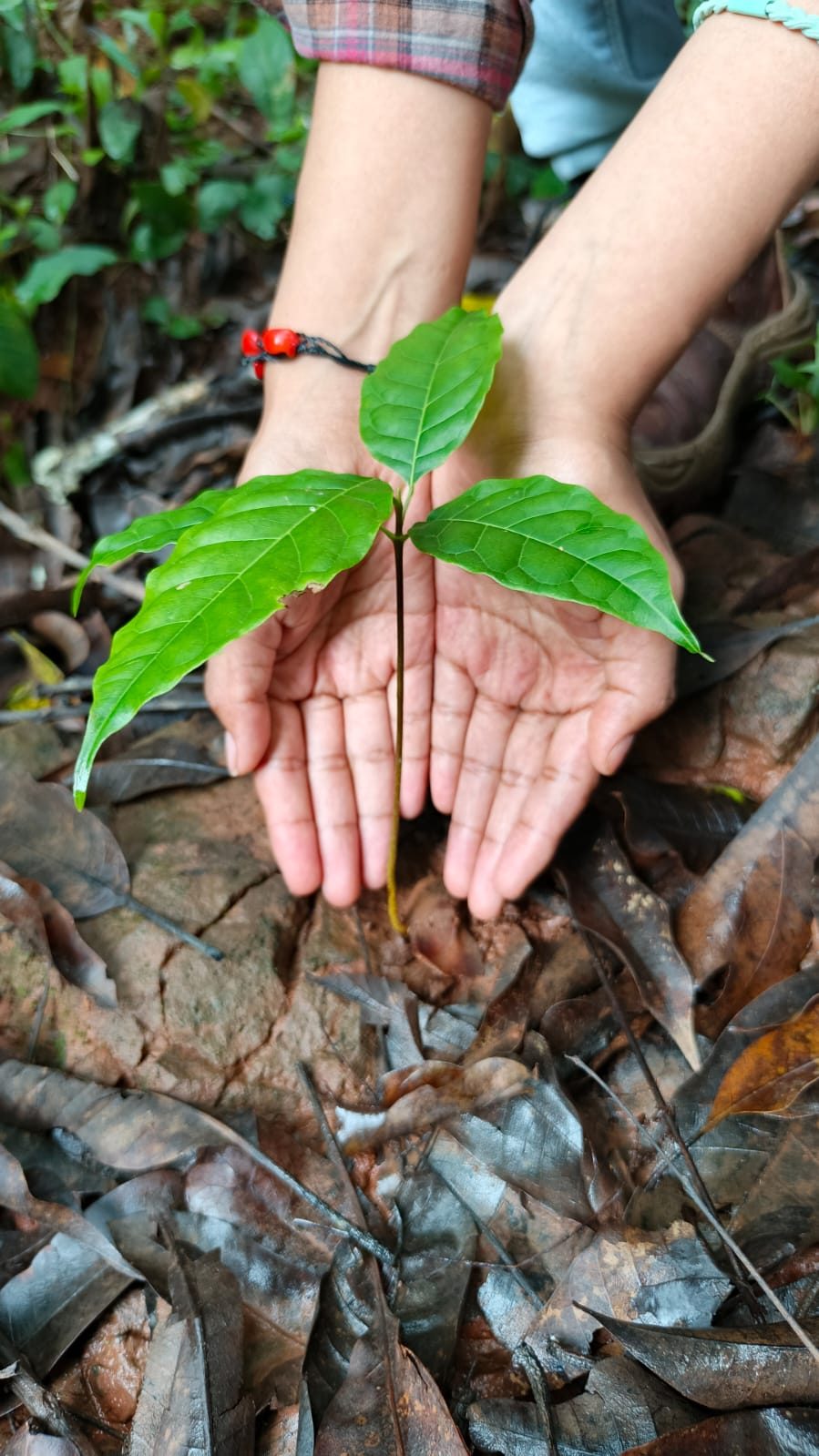
Trabajo técnico de campo en parcela agroforestal Plantín sostenido en las manos sobre hojarasca
Vista amplia del territorio y la frontera agrícola

Where we work

Our territory

The Foundation is authorised to operate across the department of La Paz. Initial work concentrates in the La Paz tropics, expanding progressively in line with institutional capacity.

  • Palos BlancosSud Yungas · Head office
  • Alto BeniIntervention area
  • Department of La PazAuthorised scope
============ -->

Transparency

Governance and accountability

The Foundation is governed by its Statutes and Internal Regulations, with an oversight body independent from the Board and annual publication of results.

InstrumentContentStatus
StatutesPurpose, governing bodies, membership regime, income sources and non-distribution clause.Approved by founders
Internal RegulationsBoard procedures, spending authorisation tiers, procurement, personnel, conflict of interest, and environmental and community standards.Approved by founders
Pre-feasibility profile 2027–2029Diagnosis, programs, three-year budget and financing, risk matrix and viability analysis.Completed
Legal statusDepartmental recognition under Bolivian Law No. 351 and applicable departmental regulations.in process — La Paz Departmental Government
Annual report and financial statementsActivity report, budget execution and opinion of the oversight body.first publication: 2028

Third-party funds are administered under specific agreements, with technical and financial reporting per project. Board positions are unpaid.

Contact

Work with us

For institutional partnerships, cooperation, donations or technical enquiries, write to us. We reply on working days.

  • Registered officeCalle 1, Urbanización Bustillos, Palos Blancos, Sud Yungas province, department of La Paz, Bolivia
  • Emailcontacto@vidanativa.org
  • Phone / WhatsApp+591 6518 6758
  • Area of workDepartment of La Paz — Plurinational State of Bolivia